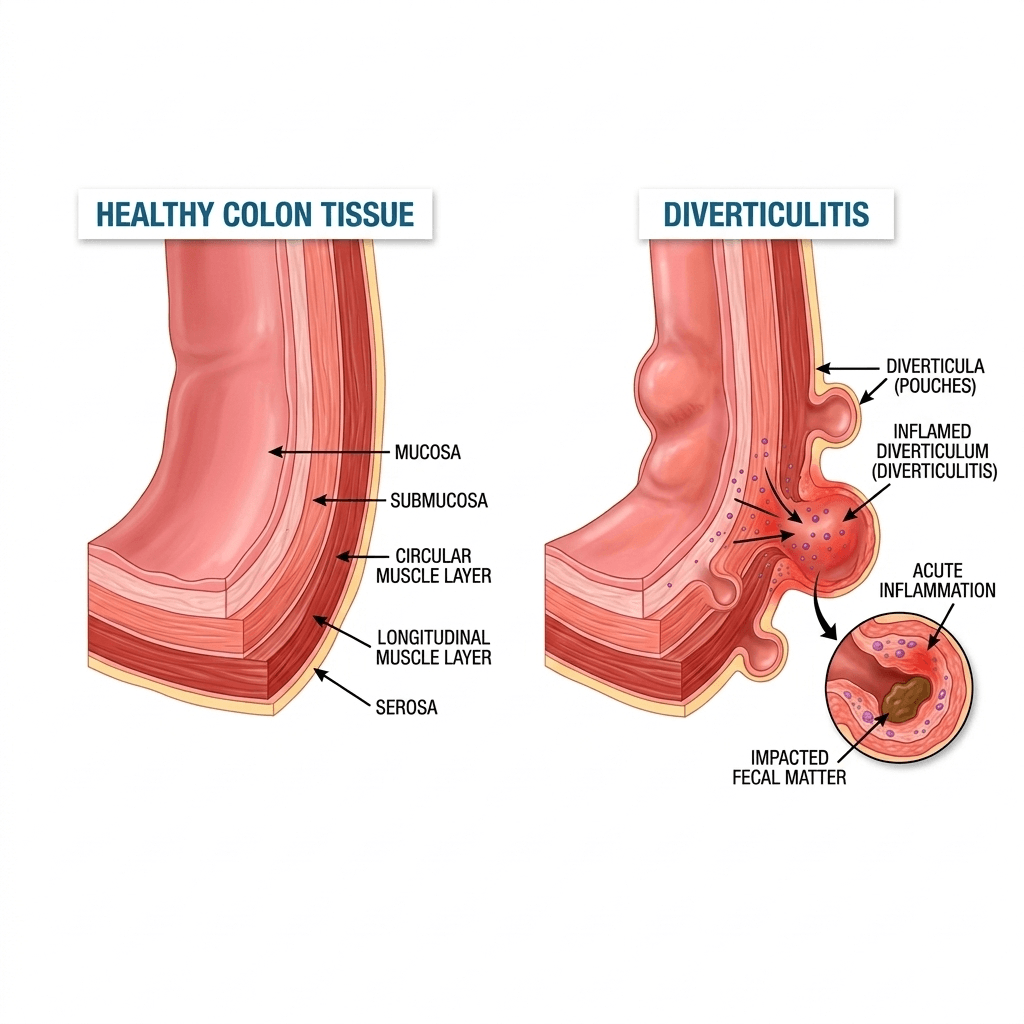
Diverticular Disease and Diverticulitis: Symptoms and Treatment
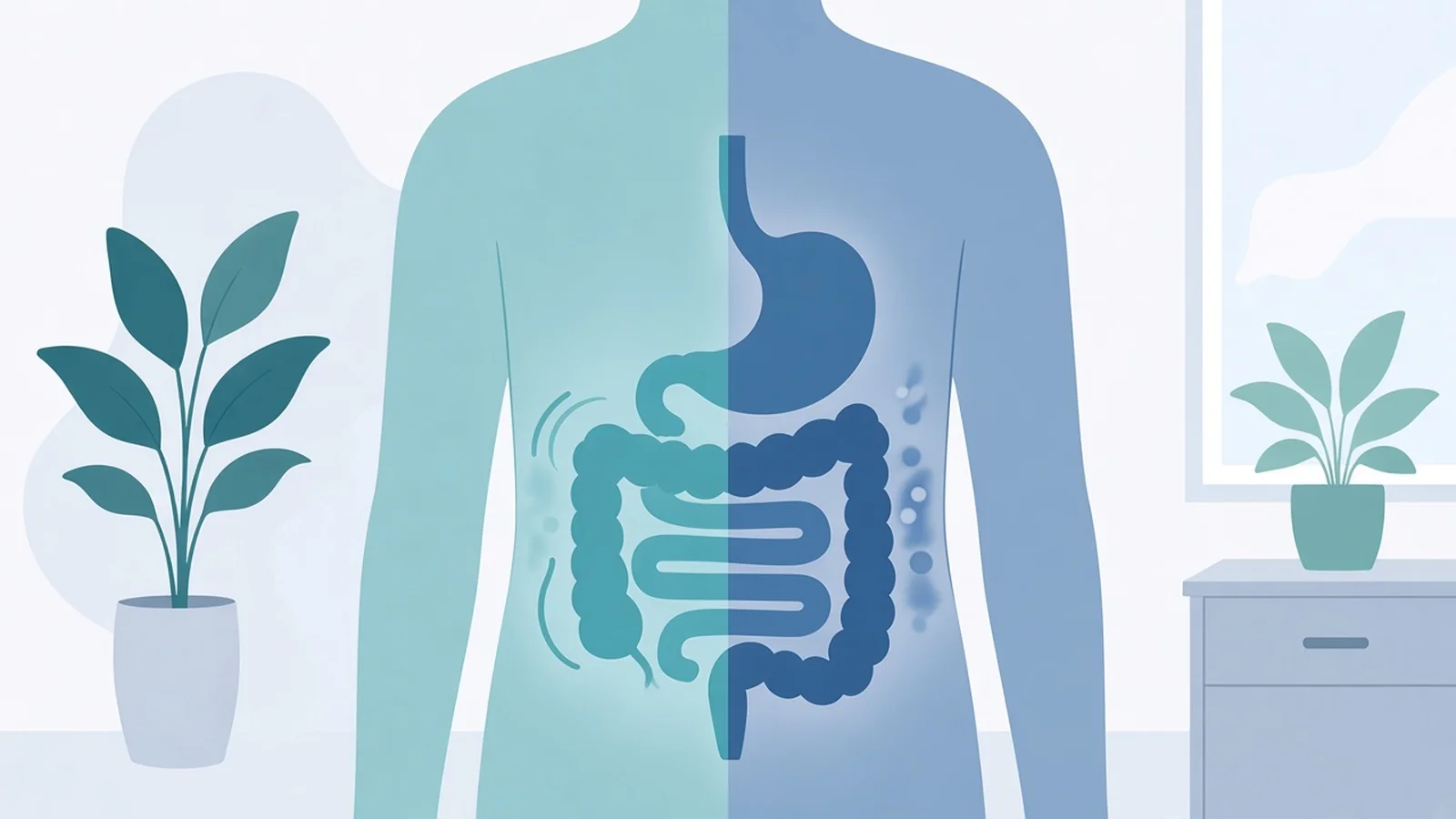
Lower tummy pain, a change in bowel habit or a fever can have several causes.
Read more →
Lower tummy pain, a change in bowel habit or a fever can have several causes.
Read more →Sharp pain when you pass a stool, sometimes with a little bright red blood on the toilet paper, can be distressing.
Read more →Feeling blocked, straining on the toilet or going fewer times than usual is common, and many people improve with simple changes to diet, fluids and daily habits.
Read more →Cramping, bloating or loose stools after milk, ice cream or soft cheese can leave you wondering whether dairy no longer agrees with you.
Read more →Bright red blood on the toilet paper, itching or a small lump is often caused by haemorrhoids, also called piles. This guide explains the symptoms, causes, self-care and treatment options.
Read more →Crohn's disease and ulcerative colitis are the two main types of inflammatory bowel disease. They share many symptoms; the differences are where the inflammation happens and how deep it goes.
Read more →Fatty liver means extra fat has built up in the liver. It is very common, often causes no symptoms, and healthy lifestyle changes can reduce the fat.
Read more →IBS and IBD can both cause tummy pain and diarrhoea, but they are very different conditions. This guide explains how IBS symptoms differ from inflammatory bowel disease.
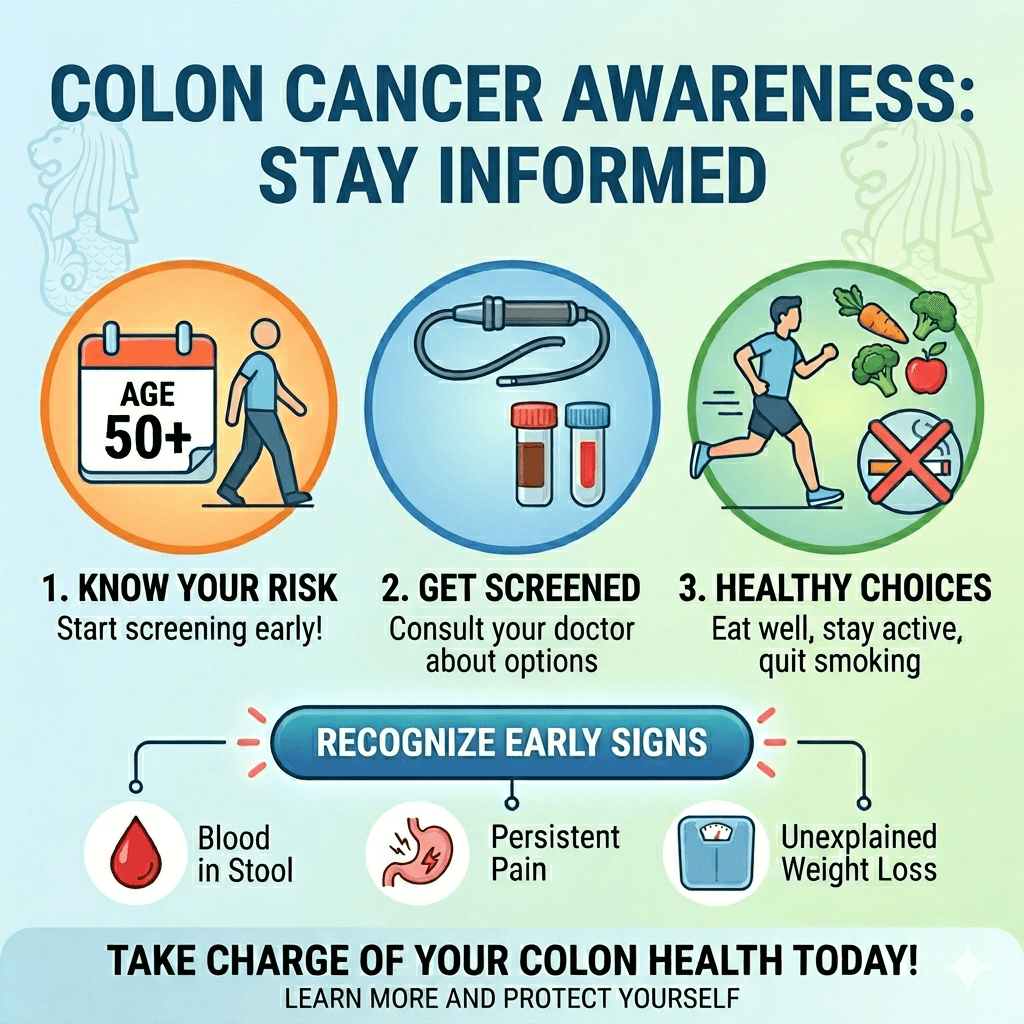
Read more →Colorectal cancer is one of the most common cancers in Singapore and often causes no symptoms early on. This guide explains who should be screened, the main tests, and what an abnormal result means.
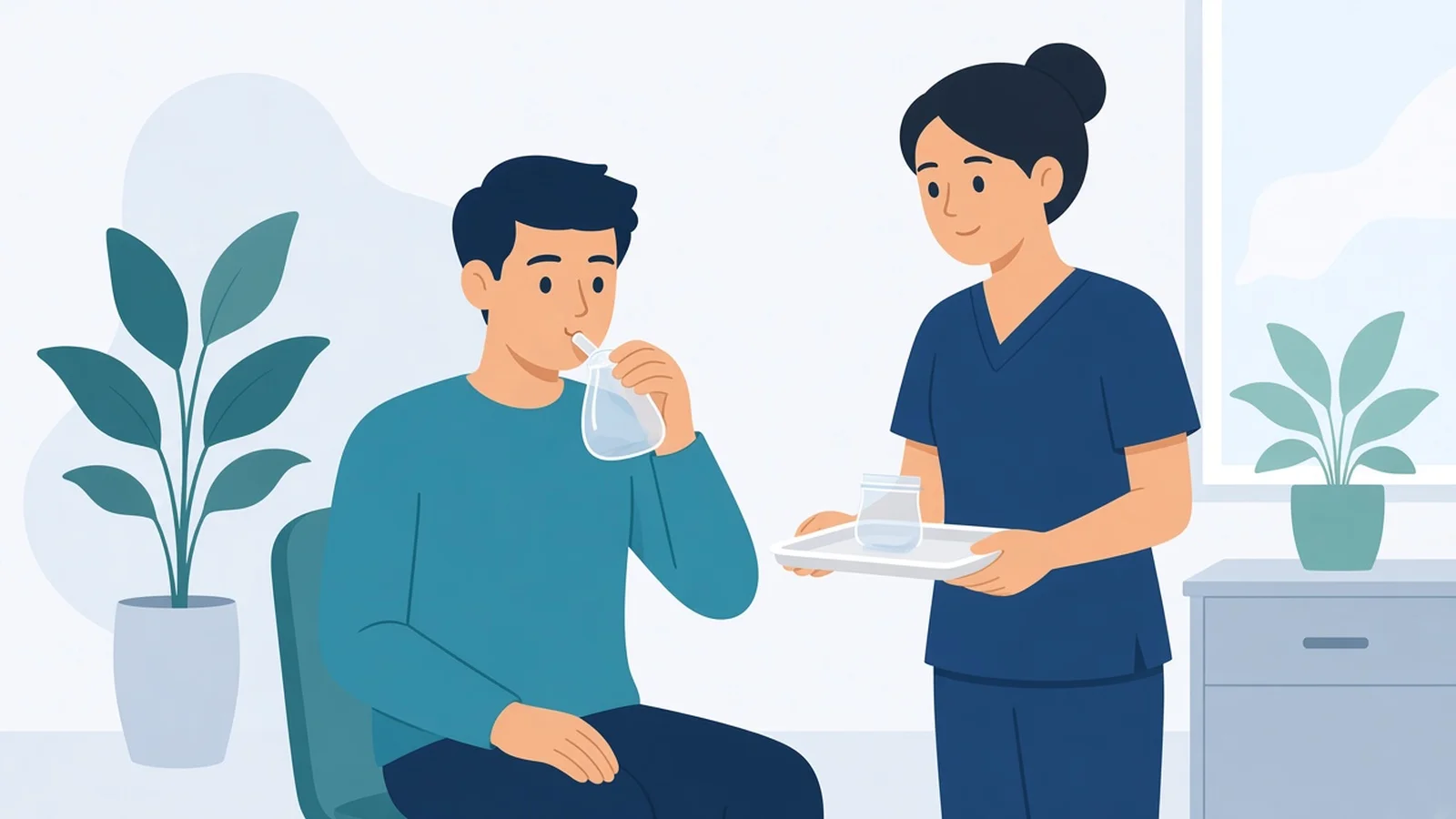
Read more →H. pylori is a common stomach bacterium that can cause gastritis and ulcers. This guide explains how the urea breath test works, who may need it, and what the results mean.
Read more →Seeing blood in your stool can be worrying. Often the cause is minor, such as piles or a small tear, but it can also be a sign of a condition that needs investigating.
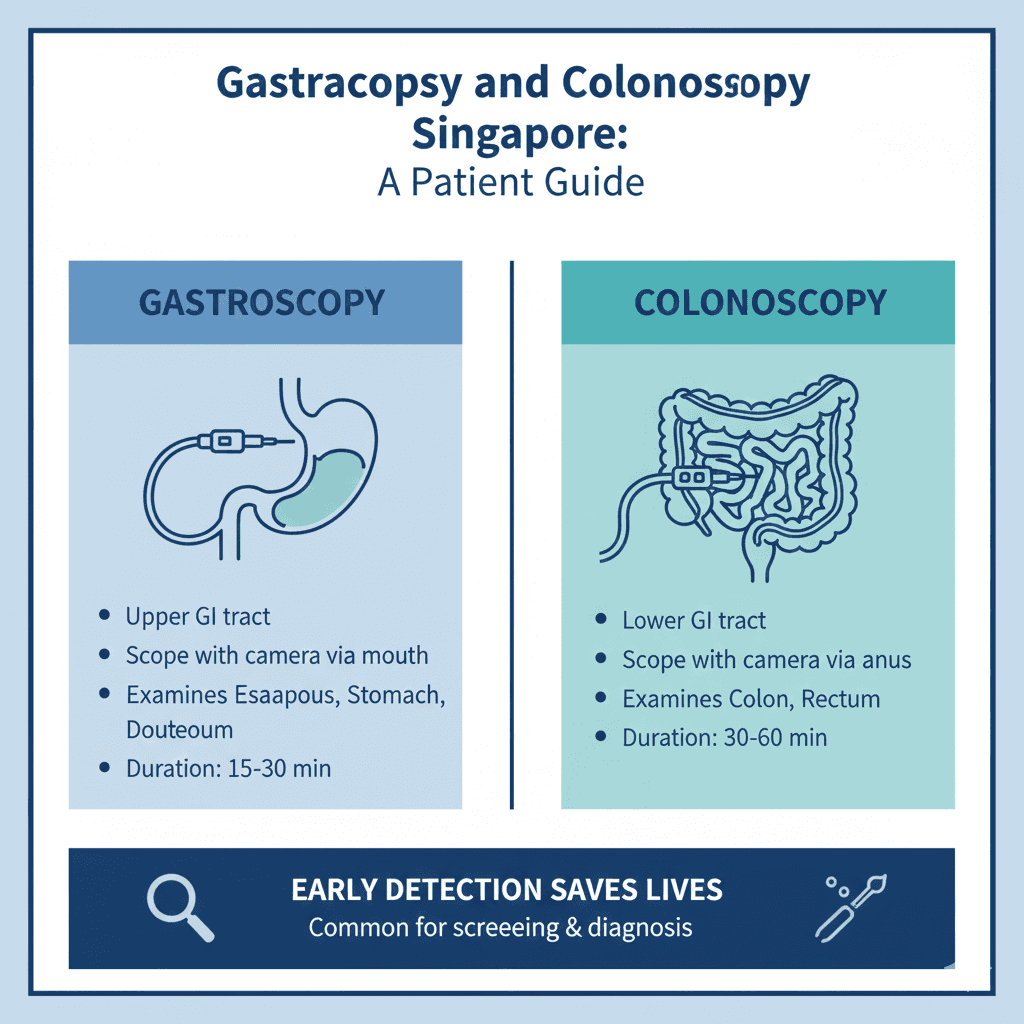
Read more →Gastroscopy and colonoscopy both use a thin, flexible camera. They look at different ends of the digestive tract. This guide compares the two tests and when a doctor may suggest one or both.
Read more →Colon polyps are small growths on the lining of the large bowel. Most are harmless, but some can slowly change into cancer. This guide explains how a polypectomy removes them.
Read more →Some digestive changes are common with age, and others need a check. This guide covers gut problems that become more common in older adults, warning signs and screening.
Read more →A colonoscopy lets a doctor look at the lining of the large bowel. This guide covers who may need one in Singapore, screening ages, bowel preparation, and what happens on the day and afterwards.
Read more →