Last updated: 7 Nov 2026
Feeling blocked, straining on the toilet or going fewer times than usual is common, and many people improve with simple changes to diet, fluids and daily habits.[1][2] Understanding the main constipation causes and constipation symptoms helps you know what to try at home and when a doctor's review is wiser. This guide covers common causes, chronic constipation, self-care and when to see a doctor — including red-flag signs that need prompt checking.
What is constipation?
Constipation means a change in how you pass stools. It often includes going less often than usual (for many adults, fewer than three times a week), stools that are hard, dry or lumpy, straining, or a feeling that you have not fully emptied your bowels.[1][3] You may also feel bloated or have tummy discomfort.
How often is "normal" varies from person to person. What matters most is a lasting change from your usual pattern, especially if stools become hard to pass or you need to strain.[1][7]
Constipation symptoms
Common constipation symptoms include:[1][3][7]
- passing stools less often than usual, or fewer than three times a week
- hard, dry or lumpy stools
- straining or pain when going to the toilet
- a feeling that you have not emptied your bowels completely
- tummy ache, bloating or feeling sick
- needing to use your fingers to help stools come out (in some people).
In older adults or people who cannot easily describe symptoms, carers may notice behaviour changes such as confusion or restlessness that can signal discomfort from constipation.[1] Our guide to digestive health for seniors in Singapore covers age-related bowel changes in more detail.
Common constipation causes
Constipation in adults has many possible constipation causes. Sometimes there is no single clear reason. The most common ones include:[1][3][7]
- not enough fibre in the diet (fruit, vegetables, wholegrains, beans and lentils)
- not drinking enough fluids
- too little movement, long periods of sitting or lying down, or being less active than usual
- ignoring the urge to go to the toilet
- changes in routine or diet, including travel
- side effects of medicines, such as some painkillers (especially those containing opioids or codeine), iron tablets, certain antacids and some antidepressants — ask a pharmacist or doctor if you are unsure
- stress, anxiety or depression
- pregnancy and the period after giving birth
- getting older, when bowel habits and activity levels often change.
Less often, constipation is linked to a medical condition such as an underactive thyroid, high calcium levels, neurological conditions, pelvic floor problems, diverticular disease or, rarely, bowel cancer.[1][3] That is why new or persistent change in bowel habit should not be ignored.
Bloating can accompany constipation and other gut conditions. Our article on SIBO testing and bloating explains other causes of bloating, and IBS vs IBD covers irritable bowel syndrome, which can include constipation-predominant patterns.
Chronic constipation
Chronic constipation usually means constipation that lasts for a long time or keeps coming back despite simple self-care.[2][3] It can affect quality of life, lead to straining, and raise the risk of haemorrhoids (piles). Some people develop overflow diarrhoea (loose stool leaking around hard stool stuck higher up), which can be mistaken for diarrhoea alone.[1]
If constipation has been ongoing for weeks, keeps returning, or you need laxatives regularly, a doctor can review possible constipation causes, medicines and whether further checks are needed.[4][5]
Looking after constipation at home
Many people find these steps help soften stools and ease constipation symptoms:[1][5][6]
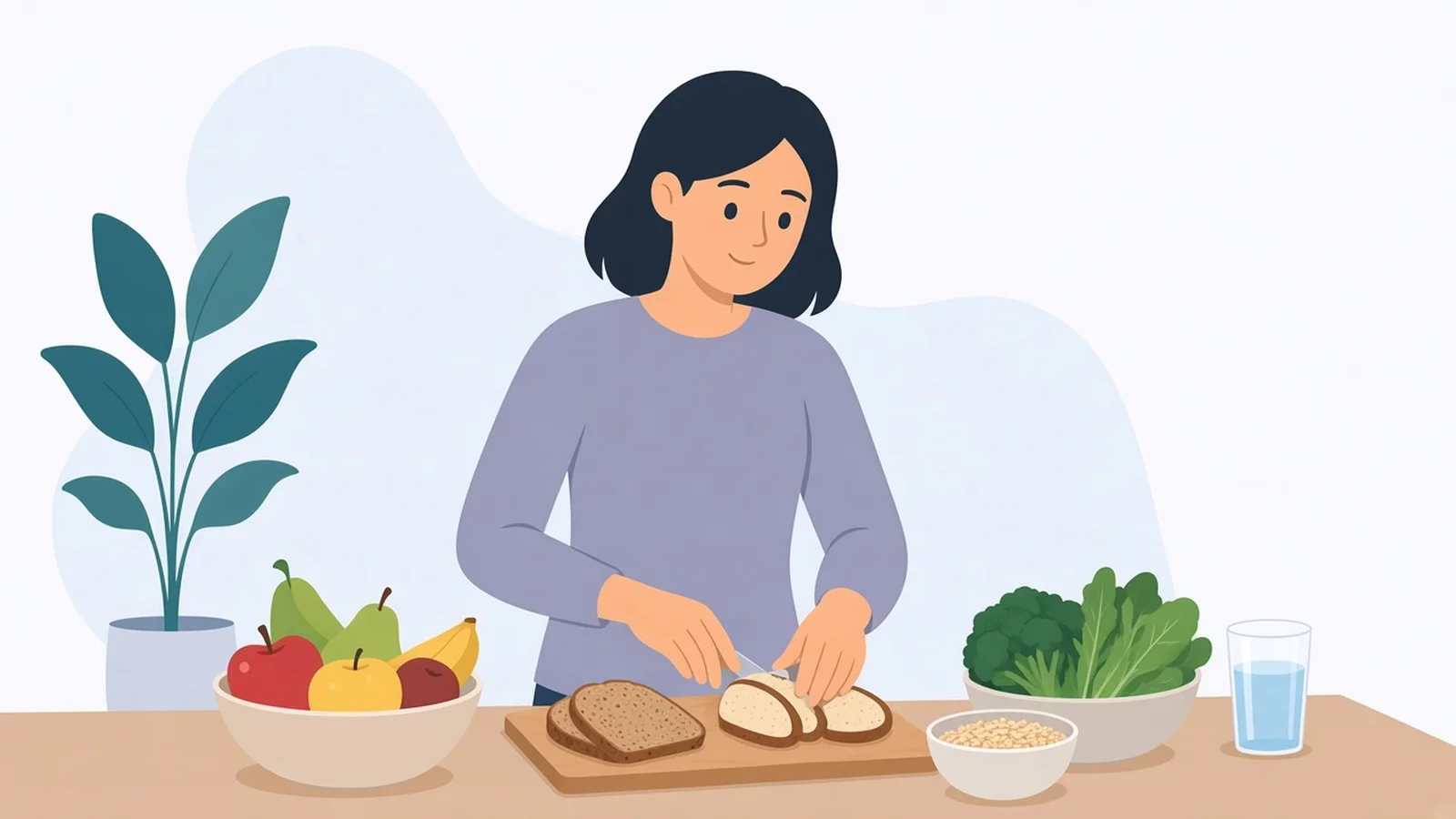
- Increase fibre gradually with fruit, vegetables, wholegrains, beans, lentils and foods that contain sorbitol (such as apples, apricots, grapes, raspberries and plums). Sudden large increases can cause wind and bloating, so build up slowly.
- Drink enough fluids, especially water, so fibre can work. Limit excess caffeine and alcohol if they dehydrate you.
- Stay active with walking or other movement that fits your fitness level; activity helps keep the bowel moving.
- Go when you feel the urge, rather than holding on, and allow enough time on the toilet without rushing or straining for long periods.
- Try a comfortable toilet position, such as raising your knees slightly (for example with a small footstool), if that helps you pass stools more easily.
- Ask a pharmacist about short-term laxatives if diet and lifestyle changes are not enough. Different types work in different ways (bulk-forming, osmotic, stimulant). Check with a pharmacist or doctor before use if you are pregnant, breastfeeding, take other medicines, or have other health conditions.
Do not use stimulant laxatives every day for long periods unless a doctor has advised you to. If constipation continues, seek medical advice rather than repeatedly increasing laxatives on your own.[1][5]
How constipation is assessed
A doctor will usually ask about your bowel habits, diet, fluids, activity, medicines and other symptoms, and may examine your abdomen. Sometimes a gentle rectal examination is needed.[4]
Further tests are not always required. They may be suggested if there are red-flag symptoms, if chronic constipation does not improve, or if another condition is suspected. Depending on your history, options can include blood tests, imaging, or looking inside the bowel with a colonoscopy or gastroscopy (see also gastroscopy vs colonoscopy). Screening for bowel cancer in Singapore is covered in our colorectal cancer screening guide. Practical details of any test are explained at a consultation; you can contact the clinic or request an appointment.
When to see a doctor
- constipation lasts more than a few weeks, keeps coming back, or is getting worse
- self-care and pharmacy advice are not helping
- you regularly need laxatives to go
- you have blood in your stool, black stools, or bleeding from the back passage (our blood in stool article explains common causes)
- you notice a lasting change in bowel habit, stool shape or size
- you have unexplained weight loss, loss of appetite, or persistent tummy pain
- you feel a lump in the abdomen or around the anus
- you have severe pain, vomiting, or cannot pass stools or wind at all (which can signal a blockage and needs urgent care)
- constipation started after a new medicine, and stopping it is not something you should decide alone.
Get urgent medical help (call 995 or go to the nearest Emergency Department) if you have severe tummy pain, vomiting with constipation, a swollen hard abdomen, or cannot pass stools or wind.[1]
Related reading
- Haemorrhoids (piles): symptoms, causes and treatment options
- IBS vs IBD: understanding the difference
- Blood in stool: common causes and when to see a doctor
- Digestive health for seniors in Singapore
- Colorectal cancer screening in Singapore
- Colonoscopy and gastroscopy in Singapore
- SIBO test and treatment: bloating and breath tests
- Digestive and liver care at KL Ling Gastroenterology and Liver Clinic
Frequently asked questions
What are the most common constipation causes?
The usual constipation causes are low fibre, not enough fluids, too little activity, ignoring the urge to go, medicines (such as some painkillers), stress, pregnancy and changes in routine. Medical conditions are less common but matter when symptoms persist or red flags appear.[1][3]
What count as constipation symptoms?
Typical constipation symptoms are going less often than usual, hard or lumpy stools, straining, incomplete emptying, and sometimes bloating or tummy discomfort.[1][7]
What is chronic constipation?
Chronic constipation is constipation that lasts a long time or keeps returning. A doctor can review causes, medicines and whether further assessment is needed if home measures are not enough.[2][5]
When should I see a doctor for constipation?
See a doctor if constipation lasts more than a few weeks, keeps coming back, needs regular laxatives, or comes with blood in the stool, unexplained weight loss, lasting change in bowel habit, or severe pain.[1][3]
Can constipation cause piles?
Straining and hard stools are common triggers for haemorrhoids. Softening stools with fibre and fluids helps both constipation and piles risk.[1] See our haemorrhoids guide.
Is constipation ever a sign of something serious?
Usually it is linked to diet and lifestyle, but lasting change in bowel habit, bleeding, unexplained weight loss or severe pain need medical review to rule out other conditions.[1][3]
Do I always need a colonoscopy for constipation?
No. Many people improve with self-care and medicine review. A colonoscopy or other tests may be suggested if there are red-flag symptoms, age-related screening needs, or constipation that does not settle — your doctor will advise based on your history.[4]
Sources
- NHS. Constipation. https://www.nhs.uk/conditions/constipation/
- National Institute of Diabetes and Digestive and Kidney Diseases (NIDDK). Definition & Facts for Constipation. https://www.niddk.nih.gov/health-information/digestive-diseases/constipation/definition-facts
- NIDDK. Symptoms & Causes of Constipation. https://www.niddk.nih.gov/health-information/digestive-diseases/constipation/symptoms-causes
- NIDDK. Diagnosis of Constipation. https://www.niddk.nih.gov/health-information/digestive-diseases/constipation/diagnosis
- NIDDK. Treatment for Constipation. https://www.niddk.nih.gov/health-information/digestive-diseases/constipation/treatment
- NIDDK. Eating, Diet, & Nutrition for Constipation. https://www.niddk.nih.gov/health-information/digestive-diseases/constipation/eating-diet-nutrition
- HealthHub (Ministry of Health, Singapore). Constipation. https://www.healthhub.sg/health-conditions/constipation
Need to see a specialist? Book a consultation with Dr Ling Khoon Lin at Mount Elizabeth Medical Centre.
make an appointment