Last updated: 11 Nov 2026
Lower tummy pain, a change in bowel habit or a fever can have several causes. One of them is diverticulitis, which happens when small pouches in the wall of the large bowel become inflamed or infected.[1][2] The pouches themselves are common as we get older, and many people have them without knowing. This guide explains diverticulosis, diverticular disease and diverticulitis, the usual symptoms, what may help, and when to see a doctor.
What is diverticular disease?
Small bulges or pouches can form in weak spots in the wall of the large intestine (colon). One pouch is called a diverticulum; several are called diverticula.[1][2] The names sound alike, but they describe different situations:[1][2][7]
- Diverticulosis means diverticula are present but are not causing symptoms. Many people only learn they have pouches when a test is done for another reason.
- Diverticular disease is used when the pouches lead to ongoing symptoms, bleeding or inflammation.
- Diverticulitis means one or more pouches have become inflamed. It can come on quite suddenly and, less often, leads to complications.
Diverticula become more common with age. In the United States, more than 30% of adults aged 50 to 59, and more than 70% of people older than 80, have diverticulosis; fewer than 5% of people with pouches develop diverticulitis.[2] The pouches often form in the lower colon, though they can appear elsewhere in the bowel too.[2][7]
Symptoms of diverticular disease
Many people with diverticula have no symptoms at all.[7] When diverticular disease does cause symptoms, they can include:[1][3][7]
- pain in the lower left side of the tummy — a small number of people feel it on the right
- tummy pain that is worse after eating and eases after you poo or pass wind
- constipation, diarrhoea, or a change in bowel habit
- bloating
- blood in your poo
Other bowel conditions, including irritable bowel syndrome, can feel similar, so these symptoms should be reviewed by a doctor rather than assumed to be diverticular disease.[1][3] See IBS vs IBD and constipation for related symptoms.
Symptoms of diverticulitis
Diverticulitis may cause:[1][3][7]
- severe, constant tummy pain, most often in the lower left side, though it can also be on the right
- a high temperature, or feeling hot, cold or shivery
- feeling or being sick
- constipation or diarrhoea
- bleeding or passing mucus from the back passage
The pain is often sudden and severe, but it can also start milder and worsen over a few days.[3]
Diverticulitis and pain on the right side of the tummy
Pain from diverticulitis is often described as being on the lower left, but a small number of people feel it on the right instead.[1][3] Pain that starts around the belly button and later moves to the lower right side is a typical pattern of appendicitis, which needs urgent hospital assessment.[8]
Both can cause tummy pain, fever, nausea and a change in bowel habit. Do not try to tell them apart yourself. Worsening or persistent tummy pain — on either side — or pain that moves to the lower right needs prompt medical help.[1][8]
What increases the risk?
Doctors are not sure exactly why diverticula form. Age is the main factor. A low-fibre diet that is high in red meat, being less active, being overweight, smoking, and medicines such as non-steroidal anti-inflammatory drugs (NSAIDs, for example ibuprofen) and steroids may raise the risk of diverticulitis or its complications.[3][7] Genes may also play a part.[3]
Looking after diverticular disease
If you have diverticular disease, or you have had diverticulitis before, these steps may help reduce the chance of symptoms getting worse:[1][5][6]
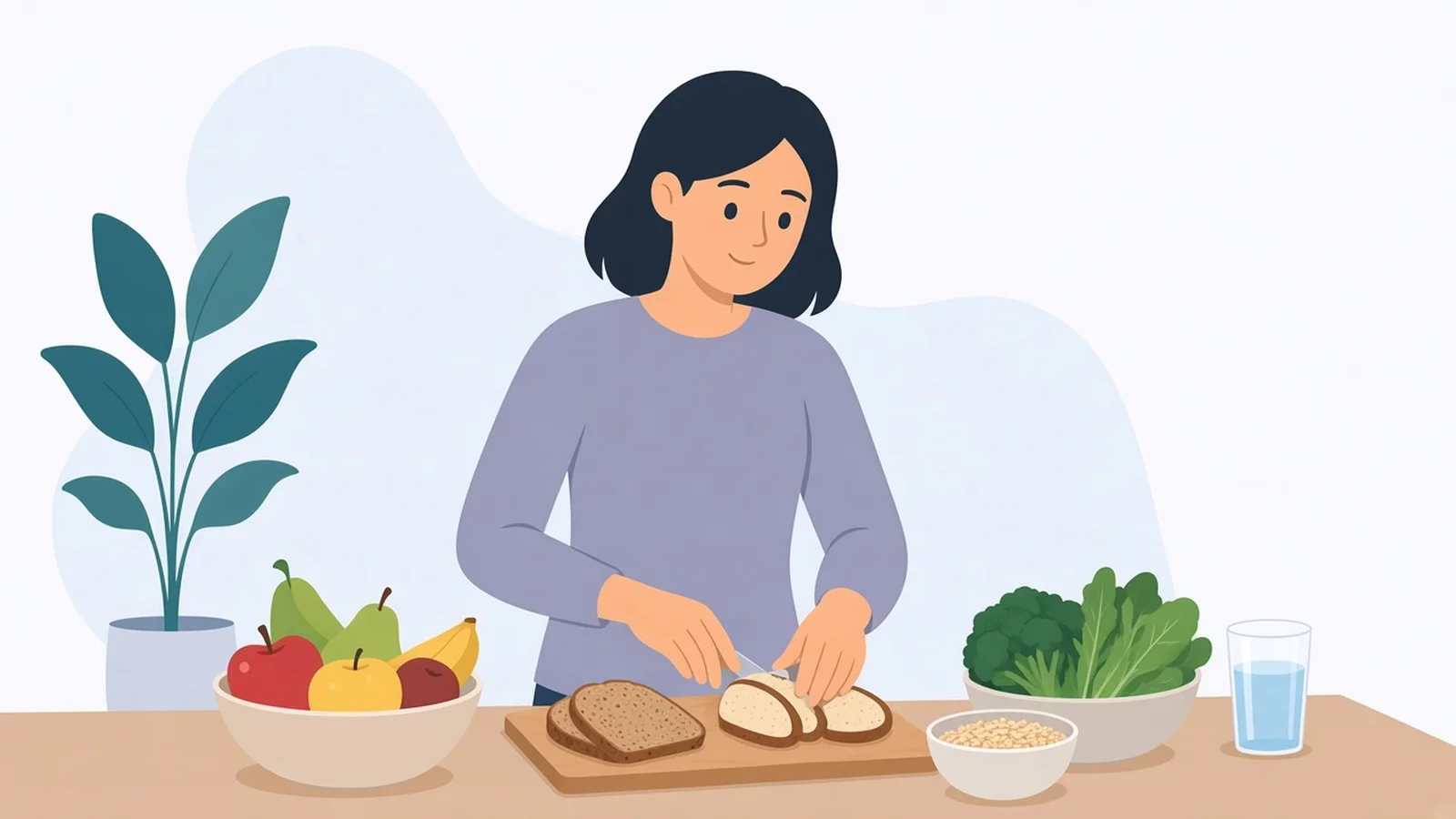
- Eat more fibre, such as fruit, vegetables, wholegrains, beans and lentils, and add it gradually to limit wind and bloating.
- Drink plenty of fluids, especially water, so the extra fibre can work.
- Stay active, if that is safe for you.
- Stop smoking, if you smoke, and aim for a healthy weight.
- Ask a pharmacist or doctor before using laxatives or painkillers. Paracetamol is often suggested for pain. Avoid NSAIDs such as ibuprofen, and opioid painkillers such as codeine, unless a doctor has advised otherwise, as they can irritate the gut, worsen constipation, or (with NSAIDs) increase the risk of a hole (perforation) in the bowel.[1][5]
You do not usually need to avoid particular foods. People were once told to avoid nuts, seeds and popcorn, but more recent research has not found these foods to be harmful, and the NHS says there are no specific foods you need to avoid.[1][6] These measures do not remove diverticula that have already formed.[7]
Diverticulitis treatment
Treatment depends on how unwell you are and whether there are complications.[5][7]
For milder diverticulitis without complications, a doctor may suggest treatment at home, with pain relief (usually paracetamol) and, if there is an infection, antibiotics — though not everyone needs them.[1][5] You may also be advised to change what you eat for a short time while symptoms settle. People who are more unwell, have complications, or have a higher risk of complications are usually treated in hospital.[5][7]
If diverticulitis does not improve, keeps coming back, or leads to a complication, surgery may be considered to drain a collection of pus or to remove the affected part of the bowel. This is usually carried out by a surgeon.[1][5][7] Some people later need a stoma (colostomy), though this is not required in every operation.[1]
Your doctor can explain which option, if any, is appropriate, along with the possible benefits and risks. Questions about procedures or practical arrangements can be raised at a consultation; you can contact the clinic or request an appointment.
How diverticular disease is diagnosed
A doctor will usually ask about your symptoms, bowel habits, diet and medicines, and examine your tummy. Blood tests, a stool sample, a CT scan, or looking inside the bowel may be suggested.[1][4] Our guides to colonoscopy and gastroscopy and gastroscopy vs colonoscopy explain these tests, and colorectal cancer screening in Singapore covers screening. Practical details of any test are explained at a consultation.
If pouches are found during a test done for another reason and you have no related symptoms, this is usually described as diverticulosis rather than diverticular disease.[4]
When to see a doctor
See a doctor if you have ongoing lower tummy pain, a lasting change in bowel habit, bloating that is new for you, or blood in your poo.[1][3] Our article on blood in stool explains other possible causes of bleeding.
Seek urgent medical advice if tummy pain is getting worse or does not go away, you have a high temperature or feel shivery, you keep being sick and cannot keep fluids down, or there is blood or mucus in your poo.[1]
Get urgent medical help (call 995 or go to the nearest Emergency Department) if you have severe tummy pain with vomiting, a swollen tummy, or you cannot pass stools or wind; if you are bleeding heavily from the back passage; or if you feel confused, are breathless, or look pale or blotchy — these can be signs of a serious complication or sepsis.[1]
Rarely, diverticulitis can lead to an abscess, a bowel blockage, a fistula (an abnormal opening to another organ, such as the bladder), a hole in the bowel (perforation), peritonitis, or heavy bleeding from a pouch. These complications need prompt medical care.[1][2][5]
Related reading
- Constipation: causes, symptoms and when to see a doctor
- Blood in stool: common causes and when to see a doctor
- IBS vs IBD: understanding the difference
- Digestive health for seniors in Singapore
- Colorectal cancer screening in Singapore
- Colonoscopy and gastroscopy in Singapore
- Digestive and liver care at KL Ling Gastroenterology and Liver Clinic
Frequently asked questions
What is the difference between diverticulosis, diverticular disease and diverticulitis?
Diverticulosis means pouches are present but not causing symptoms. Diverticular disease means the pouches are causing symptoms, bleeding or inflammation. Diverticulitis is inflammation of one or more pouches.[1][2]
What does diverticulitis feel like?
It often causes severe, constant tummy pain, usually on the lower left, with fever, nausea, or a change in bowel habit. Some people feel the pain on the right. It may start suddenly or build over a few days.[1][3]
Do I need to avoid nuts and seeds?
Not usually. Older advice was to avoid nuts, seeds and popcorn, but more recent evidence has not shown these foods to be harmful.[1][6]
How is diverticulitis treated?
Mild cases may be managed at home with pain relief and, if needed, antibiotics. People who are more unwell, or who have complications, are usually treated in hospital. Surgery, if needed, is usually carried out by a surgeon.[1][5][7]
Can diverticulitis be prevented?
Pouches that are already there cannot be removed, but a higher-fibre diet, enough fluids, activity, not smoking and a healthy weight may lower the chance of diverticulitis or of symptoms getting worse.[1][5][6]
Is right-sided tummy pain always appendicitis?
No. Appendicitis often causes pain that moves to the lower right, but diverticulitis can also cause pain on the right. Worsening or persistent tummy pain needs medical assessment.[1][8]
Sources
- NHS. Diverticular disease and diverticulitis. https://www.nhs.uk/conditions/diverticular-disease-and-diverticulitis/
- National Institute of Diabetes and Digestive and Kidney Diseases (NIDDK). Definition & Facts for Diverticular Disease. https://www.niddk.nih.gov/health-information/digestive-diseases/diverticulosis-diverticulitis/definition-facts
- NIDDK. Symptoms & Causes of Diverticular Disease. https://www.niddk.nih.gov/health-information/digestive-diseases/diverticulosis-diverticulitis/symptoms-causes
- NIDDK. Diagnosis of Diverticular Disease. https://www.niddk.nih.gov/health-information/digestive-diseases/diverticulosis-diverticulitis/diagnosis
- NIDDK. Treatment for Diverticular Disease. https://www.niddk.nih.gov/health-information/digestive-diseases/diverticulosis-diverticulitis/treatment
- NIDDK. Eating, Diet, & Nutrition for Diverticular Disease. https://www.niddk.nih.gov/health-information/digestive-diseases/diverticulosis-diverticulitis/eating-diet-nutrition
- SingHealth. Diverticular Disease. https://www.singhealth.com.sg/symptoms-treatments/diverticular-disease
- NHS. Appendicitis. https://www.nhs.uk/conditions/appendicitis/
Need to see a specialist? Book a consultation with Dr Ling Khoon Lin at Mount Elizabeth Medical Centre.
make an appointment