Last updated: 25 Nov 2026
Coeliac disease (often spelt "celiac" in American sources) is a long-term condition in which the immune system reacts to gluten, a protein found in wheat, barley and rye. This reaction damages the lining of the small intestine, so the body cannot absorb nutrients properly.[1][6] Symptoms vary a great deal from person to person, and some people have none at all, which is why coeliac disease is often missed. This guide explains the symptoms, how the coeliac test works, how the condition is confirmed and how it differs from gluten intolerance.
What is coeliac disease?
Coeliac disease is an autoimmune condition: the immune system mistakenly treats parts of gluten as a threat and attacks the lining of the small intestine.[1] The lining is normally covered in tiny finger-like projections called villi, which absorb nutrients from food. In coeliac disease these villi become inflamed and flattened, which reduces the gut's ability to take in iron, vitamins and other nutrients.[9]
Coeliac disease is not a food allergy and it is not the same as a food intolerance.[10] It can only develop in people who carry certain genes, and it is more likely if a close family member has it.[6] Experts estimate that about 1% of people worldwide have coeliac disease, and many of them have not been diagnosed.[6]
Coeliac disease symptoms
Symptoms can range from mild to severe and often come and go.[2] Gut-related symptoms include:[1][2]
- diarrhoea, sometimes with pale, greasy or foul-smelling stools that are hard to flush
- stomach pain
- bloating and wind
- indigestion
- constipation
- nausea or vomiting
Coeliac disease can also cause symptoms outside the gut, often because the body is not absorbing enough nutrients:[2][7]
- tiredness, which may be a sign of anaemia from low iron, vitamin B12 or folate
- unexplained weight loss
- an itchy, blistering skin rash called dermatitis herpetiformis
- mouth ulcers
- tingling or numbness in the hands and feet
- difficulty getting pregnant
- in children, slow growth or delayed puberty
Because many of these symptoms overlap with other conditions, coeliac disease cannot be diagnosed from symptoms alone.[8] If diarrhoea is your main concern, our guide to long-lasting diarrhoea covers other causes and tests. Unexplained low iron is another common reason to consider coeliac disease, as our article on iron deficiency anaemia explains.
Who should consider a coeliac test?
The NHS recommends testing for coeliac disease if you have any of the following:[3]
- persistent, unexplained gut symptoms such as diarrhoea, stomach ache or bloating
- persistent tiredness
- unintentional weight loss
- severe or persistent mouth ulcers
- unexplained iron, vitamin B12 or folate deficiency anaemia
- type 1 diabetes
- autoimmune thyroid disease
- symptoms that have been put down to irritable bowel syndrome (IBS), in adults
Testing is also recommended if a parent, brother, sister or child has coeliac disease.[3] Coeliac UK notes that having a first-degree relative with the condition raises the chance of having it to about 1 in 10.[10]
How the coeliac test works
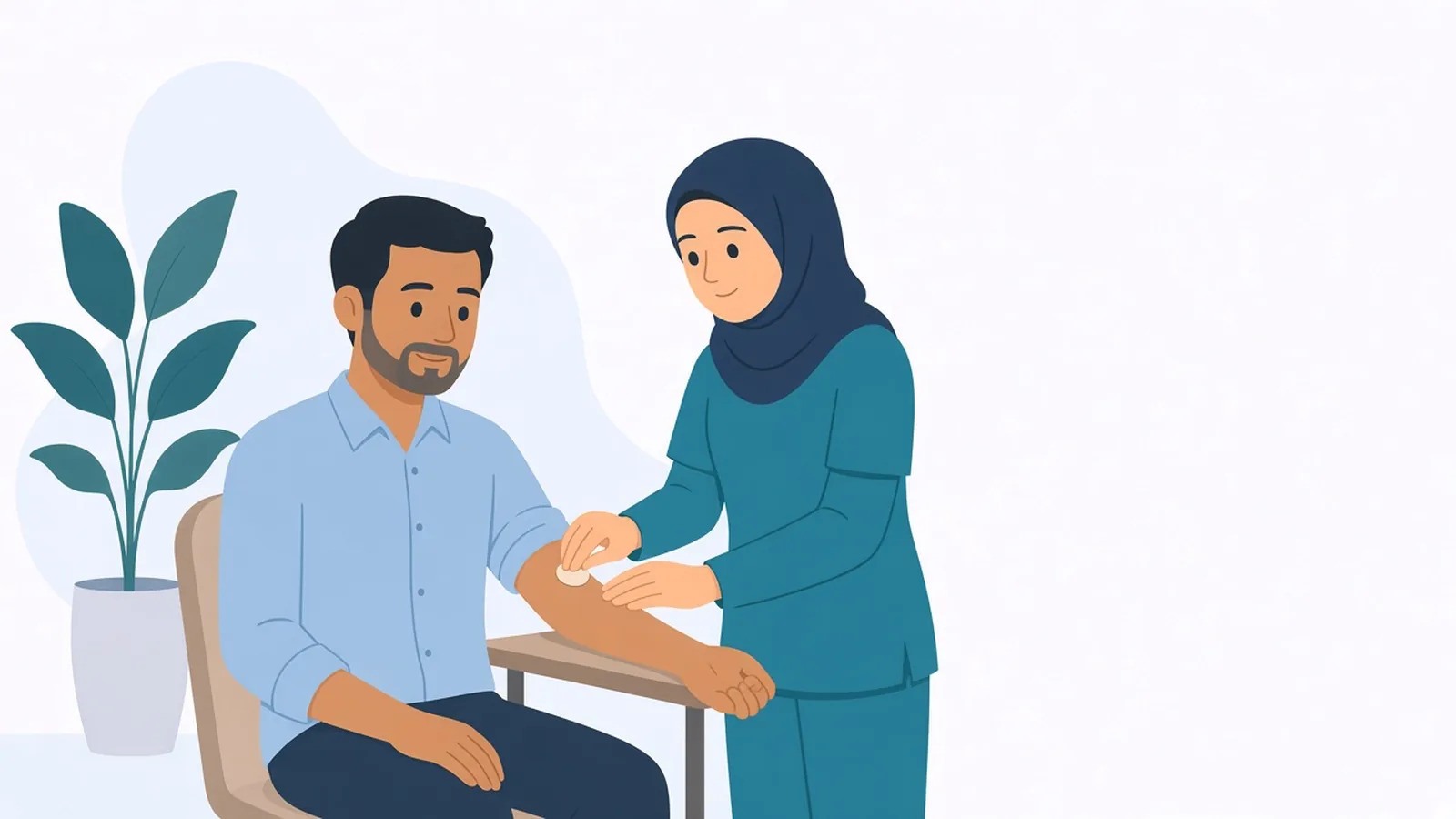
Diagnosis usually takes two steps: a blood test, and then, if needed, a biopsy of the small intestine.[3][8]
Keep eating gluten until testing is complete
Both the blood test and the biopsy look for the effects of gluten on the body. If you cut gluten out before you are tested, the results may come back falsely normal. Doctors therefore advise against starting a gluten-free diet until the diagnosis has been confirmed, even if a blood test is positive.[3][8] Your doctor will explain what you need to eat before your tests.
The coeliac blood test
A blood test checks for antibodies that are usually raised in people with untreated coeliac disease.[3][8] The blood sample can also show related problems, such as anaemia.[8] A positive antibody result suggests coeliac disease but is usually confirmed with a biopsy. A negative result does not always rule it out: some people with coeliac disease do not have these antibodies, so a specialist review may still be advised if symptoms continue.[3]
Biopsy of the small intestine
To confirm the diagnosis, a doctor takes small samples of tissue (biopsies) from the first part of the small intestine during an upper endoscopy, also called a gastroscopy. A thin, flexible tube with a camera is passed through the mouth into the small intestine, and a pathologist then looks at the samples under a microscope for the changes typical of coeliac disease.[3][8] Our gastroscopy guide explains what the procedure involves.
Other tests
If you have a rash that may be dermatitis herpetiformis, a skin biopsy can help with diagnosis. Genetic tests are sometimes used too: a negative genetic test makes coeliac disease very unlikely, although a positive one does not confirm it.[8][9]
Coeliac disease or gluten intolerance?
Many people in Singapore search for "gluten intolerance" when they notice symptoms after eating bread, noodles or pastries. The terms are often confused, but they describe different conditions:[6][10]
| Coeliac disease | Gluten sensitivity (non-coeliac) | Wheat allergy | |
|---|---|---|---|
| What happens | Autoimmune reaction to gluten | Symptoms after eating gluten without the immune damage of coeliac disease | Allergic reaction to wheat |
| Damage to the small intestine | Yes | No | No |
| Typical symptoms | Gut symptoms, tiredness, anaemia, rash; sometimes none | Gut symptoms such as stomach pain, and tiredness | Can include itchy eyes or difficulty breathing |
| How it is confirmed | Blood test and small intestine biopsy | Other causes, including coeliac disease, need to be ruled out first | Allergy assessment |
The key point is that gluten sensitivity and wheat allergy do not cause long-term damage to the small intestine, while coeliac disease does.[6] Because the symptoms can look alike, it helps to be tested for coeliac disease before you change your diet. Coeliac disease can also lead to a temporary intolerance of lactose, the sugar in milk; our guide to lactose intolerance explains how the two are linked.[5] Other conditions that cause bloating and loose stools, such as small intestinal bacterial overgrowth and IBS or inflammatory bowel disease, may also need to be considered.
How coeliac disease is treated
The treatment for coeliac disease is a strict gluten-free diet for life. This means avoiding all foods and drinks that contain wheat, barley or rye. Even small amounts of gluten can trigger symptoms and add to the risk of complications.[4][5] Oats do not contain gluten but are often processed alongside wheat, barley and rye, and a small number of people with coeliac disease also react to pure oats.[1]
Many foods are naturally gluten-free, including rice, meat, fish, eggs, vegetables, fruit and potatoes.[4] A dietitian can help you plan a balanced diet, read food labels and avoid hidden sources of gluten. Your doctor may also check for and treat low levels of iron, vitamins or calcium.[4][5]
Treatment is recommended even when symptoms are mild or absent, because complications can still develop.[2]
Complications of untreated coeliac disease
If coeliac disease is not diagnosed or treated, it can lead to:[5][9]
- anaemia from low iron, vitamin B12 or folate
- weakened bones (osteoporosis)
- malnutrition
- temporary lactose intolerance
- problems during pregnancy
- rarely, certain cancers of the small bowel and lymphoma
The NHS notes that the extra cancer risk is small and that, after following a gluten-free diet for some time, the risk returns to that of the general population.[5]
When to see a doctor
Speak to a doctor if you have ongoing gut symptoms, unexplained tiredness or weight loss, or a low blood count that has no clear cause, or if a close family member has coeliac disease. Seek medical care promptly if you notice blood in your stool, black stools, repeated vomiting, or weight loss that you cannot explain.
Frequently asked questions
Is coeliac disease the same as a gluten allergy?
No. Coeliac disease is an autoimmune condition that damages the small intestine. A wheat allergy is a different immune reaction, and gluten sensitivity causes symptoms without that damage.[6][10]
Can I take a coeliac test if I have already stopped eating gluten?
The tests are most reliable while you are still eating gluten, because a gluten-free diet can make results look normal.[3][8] If you have already cut out gluten, tell your doctor, who will advise you on how to proceed before testing.
Does a positive blood test mean I have coeliac disease?
Not always. A positive antibody test suggests coeliac disease, and a biopsy of the small intestine is usually used to confirm it.[3][8]
Can coeliac disease be cured?
There is no cure, but a strict, lifelong gluten-free diet controls the condition and allows the lining of the small intestine to recover.[4][7]
Should my family be tested?
Coeliac disease runs in families. If you are diagnosed, your parents, brothers, sisters and children may be advised to consider testing.[3][10]
Next steps
Malabsorption and anaemia are among the conditions listed on our services page. If you have symptoms that may be linked to gluten, a positive coeliac blood test, or a family history of coeliac disease, a consultation can help explain the tests and what your results mean. You can contact KL Ling Gastroenterology and Liver Clinic or request an appointment. Fees and practical details are covered at the consultation. You can also visit our home page to learn more about the clinic.
References
- NHS. Coeliac disease (overview). https://www.nhs.uk/conditions/coeliac-disease/
- NHS. Coeliac disease: Symptoms. https://www.nhs.uk/conditions/coeliac-disease/symptoms/
- NHS. Coeliac disease: Diagnosis. https://www.nhs.uk/conditions/coeliac-disease/diagnosis/
- NHS. Coeliac disease: Treatment. https://www.nhs.uk/conditions/coeliac-disease/treatment/
- NHS. Coeliac disease: Complications. https://www.nhs.uk/conditions/coeliac-disease/complications/
- NIDDK. Definition & Facts for Celiac Disease. https://www.niddk.nih.gov/health-information/digestive-diseases/celiac-disease/definition-facts
- NIDDK. Symptoms & Causes of Celiac Disease. https://www.niddk.nih.gov/health-information/digestive-diseases/celiac-disease/symptoms-causes
- NIDDK. Diagnosis of Celiac Disease. https://www.niddk.nih.gov/health-information/digestive-diseases/celiac-disease/diagnosis
- SingHealth. Coeliac Disease. https://www.singhealth.com.sg/patient-care/conditions-treatments/coeliac-disease
- Coeliac UK. About coeliac disease. https://www.coeliac.org.uk/information-and-support/coeliac-disease/about-coeliac-disease/
Need to see a specialist? Book a consultation with Dr Ling Khoon Lin at Mount Elizabeth Medical Centre.
make an appointment