Last updated: 1 Nov 2026
Feeling bloated now and then is normal, especially after a large meal. But bloating that keeps coming back, with gas, tummy pain or loose stools, can be a sign that something in the gut needs a closer look. One possible cause is small intestinal bacterial overgrowth, usually shortened to SIBO.[1][2] This guide explains what SIBO is, the common causes of bloating, how a SIBO test works and how treatment is usually planned.
What is SIBO?
Bacteria are a normal part of the gut. Most of them live in the large intestine (colon), and the small intestine normally has far fewer.[1] SIBO is a condition in which very large numbers of bacteria, or the wrong kinds, grow in the small intestine.[1][2]
These extra bacteria break down carbohydrates from food and turn them into gas. They can also use up nutrients your body needs, such as vitamin B12, and interfere with the bile salts that help you digest fat.[2] Over time this can affect how well you absorb nutrients, and the overgrowth can damage the lining of the small intestine.[1]
Bloating causes: SIBO is only one of them
Bloating is a feeling of fullness or swelling in the tummy. When the tummy actually becomes larger than usual, doctors call it distension.[3] Common bloating causes include:[3][4]
- Gas from food and drink, such as beans, lentils, cabbage and fizzy drinks
- Swallowing air, for example by eating quickly, chewing gum or smoking
- Constipation
- Food intolerance, such as lactose intolerance
- Coeliac disease
- Irritable bowel syndrome (IBS)
- Hormonal changes around a period
Because so many conditions can cause bloating, SIBO is usually considered when bloating comes with other symptoms or when there is a reason to suspect it, such as a condition that slows the gut down.[2] IBS and SIBO can look alike and can occur together, so a doctor may look for SIBO and other treatable causes before settling on IBS.[2] If you want to understand how IBS differs from inflammation of the bowel, see our article on IBS vs IBD.
SIBO bloating and other symptoms
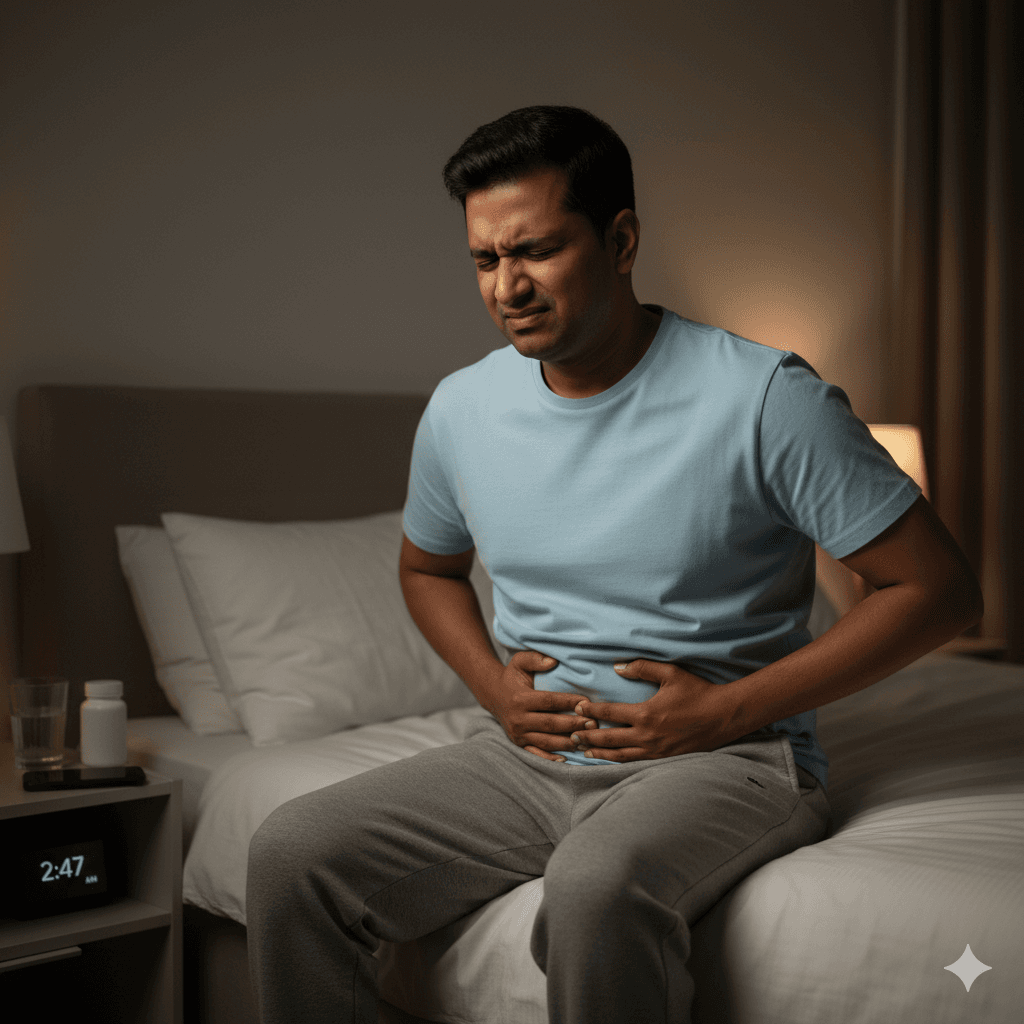
SIBO bloating is often described as a full, swollen feeling that may be worse after meals. Other symptoms of SIBO can include:[1][2]
- tummy pain, cramps or a feeling of fullness
- gas (wind) and belching
- diarrhoea, often watery, or sometimes constipation
- nausea or indigestion
- pale, oily or smelly stools that may float, which can be a sign that fat isn't being absorbed properly
- tiredness
- losing weight without trying.
Some of these symptoms overlap with many other gut conditions, so they don't confirm SIBO on their own.
Who is more likely to have SIBO?
SIBO usually develops because something has changed how the gut normally keeps bacteria in check. Things that can make it more likely include:[1][2]
- Slow movement of the small intestine, which can happen with diabetes, scleroderma, an underactive thyroid or gastroparesis
- Changes to the structure of the bowel, such as pouches (small bowel diverticulosis), narrowing, adhesions or some types of stomach or bowel surgery
- Low stomach acid, for example from long-term use of acid-reducing medicines such as proton pump inhibitors, or after H. pylori infection
- Other conditions, including Crohn's disease, coeliac disease, chronic pancreatitis, cirrhosis of the liver and some cases of IBS
- A weakened immune system
- Older age, as several of these factors become more common.
If Crohn's disease is relevant to you, our guide to Crohn's disease vs ulcerative colitis explains it in more detail.
How a SIBO test works
There's no single blood test or physical examination that confirms SIBO.[2] The main SIBO test is a breath test.
The SIBO breath test
A SIBO breath test measures hydrogen and/or methane in your breath.[1][2] These gases aren't made by your own body. They are produced when bacteria break down sugar, so the amounts in your breath give an indication of bacterial activity in the gut.[2]
In general, the test involves:[2]
- breathing into a collection device to give a starting sample
- drinking a sugar solution, usually glucose or lactulose
- giving further breath samples at set intervals so the hydrogen and methane levels can be compared.
If the levels rise above a certain point, it suggests too many gas-producing bacteria in the small intestine.[2] The test is simple and doesn't involve a tube or sedation. Your doctor will explain whether a breath test suits you and give you any instructions you need to follow beforehand, including about food and medicines.
A SIBO breath test is different from the urea breath test used to look for a stomach infection. If you've been asked to do that one, see our article on the H. pylori breath test.
Other tests your doctor may suggest
Because SIBO is often linked to another condition, and can cause complications of its own, your doctor may also suggest:[1][2]
- Blood tests, for example to check vitamin levels (such as B12), blood count and protein levels
- Stool tests, to look for fat that hasn't been absorbed
- Imaging tests, to look for structural problems in the bowel
- Endoscopy, which may include taking a sample from the small intestine.
If an endoscopy is suggested, our article on gastroscopy vs colonoscopy explains how the two common types of endoscopy differ.
SIBO treatment in Singapore
SIBO treatment usually aims at three things: the overgrowth itself, any complications it has caused, and the underlying cause.[1][2]
Treating the overgrowth
A course of antibiotics is the standard medical treatment for bacterial overgrowth.[1][2] Your doctor will choose the medicine based on your situation. Don't take leftover or over-the-counter antibiotics for bloating, as this can upset the gut further.
Treating the cause
Finding and treating the reason for SIBO helps lower the chance of it coming back. Depending on the cause, this may mean medicines that help the gut move along, adjusting other medicines you take, managing a condition such as diabetes, or occasionally surgery to correct a structural problem.[1][2]
Diet and nutrition
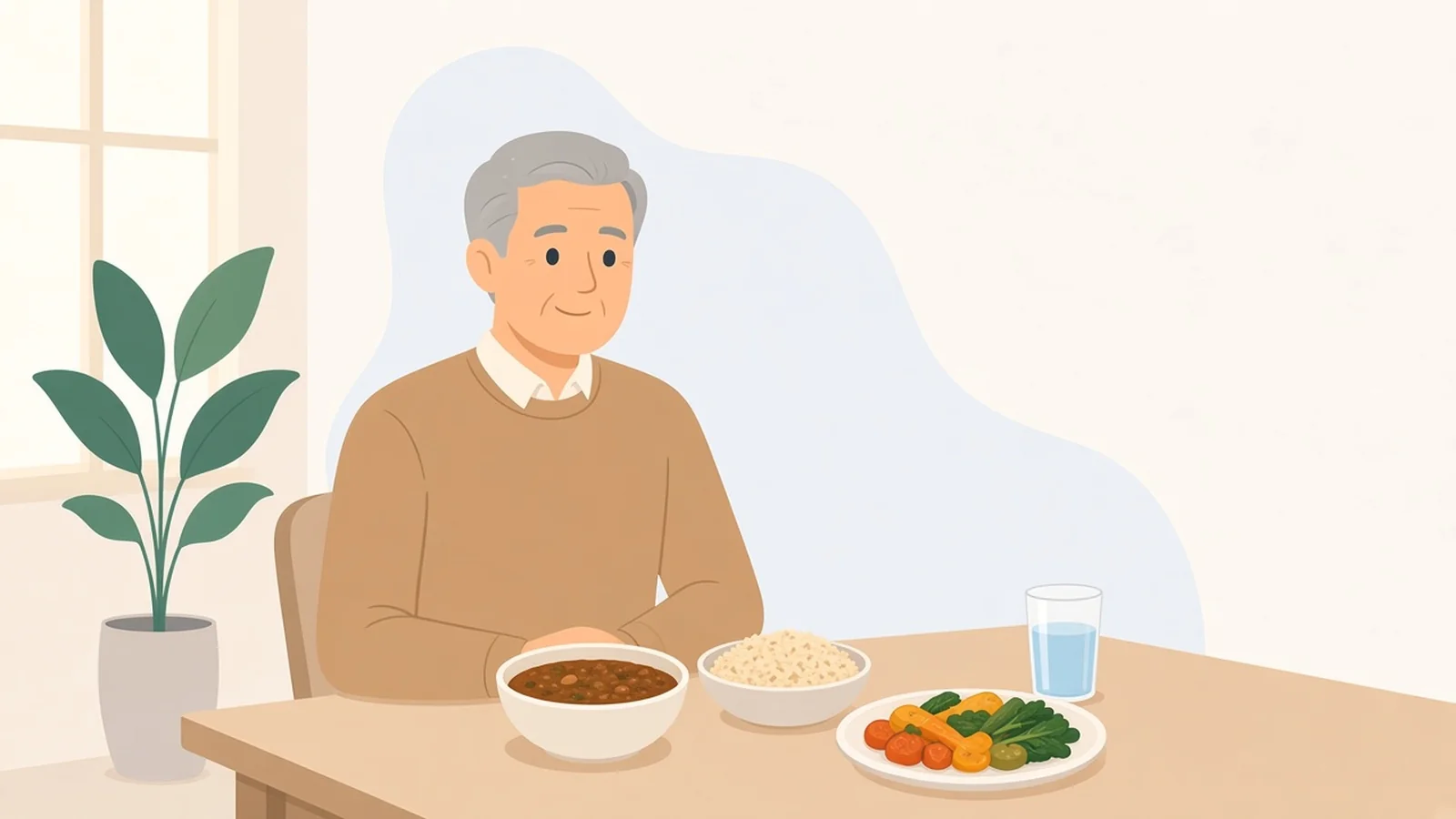
Diet changes may help some people manage symptoms. A lactose-free diet can help, and some doctors suggest a short-term plan that limits certain carbohydrates, such as a low-FODMAP diet.[1][2] For a small number of people, a doctor may prescribe an elemental diet, a liquid formula that provides nutrition in a form the body absorbs easily.[2] These plans should be followed with medical or dietitian guidance so you still get the nutrients you need.
If SIBO has led to vitamin or mineral deficiencies, supplements or other nutritional support may be needed.[1][2]
Can SIBO come back?
Yes. Symptoms can return after a course of antibiotics, especially if the underlying cause is still present.[2] This is why your doctor may focus on the cause as well as the symptoms, and review you if symptoms come back.
Is SIBO serious?
SIBO is often uncomfortable rather than dangerous, but it shouldn't be ignored. If it isn't managed, poor absorption of nutrients can lead to malnutrition, weight loss and vitamin deficiencies. A lack of vitamin B12 can cause anaemia and nerve problems, and poor calcium absorption can weaken the bones.[1][2]
When to see a doctor
- feel bloated regularly, or bloating doesn't go away despite diet changes
- have bloating with weight loss you can't explain
- have bloating with blood in your poo
- notice a change in your bowel habit that doesn't settle.
Get urgent medical help if you have bloating with severe tummy pain that comes on suddenly, you're vomiting blood or your vomit looks like coffee grounds, or you can't pass stools or wind. In an emergency, call 995 or go to the nearest Emergency Department.[3] If you've noticed blood in your stool, our article on blood in stool explains common causes and warning signs.
Bloating, SIBO and other bowel symptoms are among the conditions looked after at the clinic of Dr Ling Khoon Lin, a gastroenterologist at Mount Elizabeth Medical Centre. Questions about testing, preparation or what to expect are covered at the consultation; you can send them through our contact form or request a consultation with the appointment form.
Frequently asked questions
What is a SIBO test?
The main SIBO test is a breath test. You drink a sugar solution, and breath samples are measured for hydrogen and methane. Higher levels suggest too many gas-producing bacteria in the small intestine.[1][2]
Is a SIBO breath test painful?
No. It is a non-invasive test that involves drinking a solution and breathing into a collection device. It doesn't involve a tube or sedation.[2]
What does SIBO bloating feel like?
People often describe a full, swollen or tight feeling in the tummy, sometimes with more gas, belching, discomfort or loose stools, which may be worse after eating.[1][2]
Is SIBO the same as IBS?
No, but the symptoms overlap and it's possible to have both. SIBO can be confirmed with tests and treated, while IBS is diagnosed when no other clear cause for the symptoms is found.[2]
What causes bloating if it isn't SIBO?
Common bloating causes include gas from food and drinks, swallowing air, constipation, food intolerances, coeliac disease and IBS.[3][4]
How is SIBO treated?
SIBO treatment usually involves a course of antibiotics, treating the underlying cause, and sometimes diet changes and nutritional support. Your doctor will tailor the plan to you.[1][2]
Can SIBO come back after treatment?
Yes. It can return, especially if the condition that led to it is still present, which is why doctors also look for and treat the cause.[2]
Sources
- MedlinePlus (US National Library of Medicine). Small bowel bacterial overgrowth. https://medlineplus.gov/ency/article/000222.htm
- Cleveland Clinic. SIBO (Small Intestinal Bacterial Overgrowth). https://my.clevelandclinic.org/health/diseases/21820-small-intestinal-bacterial-overgrowth-sibo
- NHS. Bloating. https://www.nhs.uk/conditions/bloating/
- National Institute of Diabetes and Digestive and Kidney Diseases (NIDDK). Symptoms & Causes of Gas in the Digestive Tract. https://www.niddk.nih.gov/health-information/digestive-diseases/gas-digestive-tract/symptoms-causes
- NIDDK. Irritable Bowel Syndrome (IBS). https://www.niddk.nih.gov/health-information/digestive-diseases/irritable-bowel-syndrome
Need to see a specialist? Book a consultation with Dr Ling Khoon Lin at Mount Elizabeth Medical Centre.
make an appointment